
To snake a main drain line, first confirm that more than one fixture is affected, stop using water, locate an appropriate sewer cleanout and open it cautiously. A powered main line snake can restore flow through some blockages, but the machine, cable and cutter must match the pipe. Read and follow the exact operator manual supplied with the machine—feed controls, retrieval and reverse operation are not the same on every model.
Powered drain machines can cause serious injuries.
Do not use one without the manufacturer-required drain-cleaning gloves, eye protection, a safe electrical setup and full control of the machine’s stop switch. Stop immediately if the cable binds, kinks or stops rotating. If sewage may discharge indoors, chemicals were poured into the drain or you are unsure which pipe or tool to use, call a plumber.
What Is a Main Drain Line?
Inside a building, smaller fixture branches connect to the building’s main drain. That drain then connects to the building sewer or sewer lateral running toward the public sewer or a private septic system. Homeowners often call this whole path the “main line.” The exact terms and responsibility boundaries vary by plumbing code and utility.
If only one sink, tub or toilet is affected, the blockage may be in that fixture or branch drain. When several fixtures react together, especially at the building’s lowest drain, the restriction may be in the main drain or sewer lateral.
Signs the Main Drain or Sewer Line May Be Clogged
- Several drains become slow at the same time.
- Water rises in a tub or shower when a toilet is flushed.
- Water or sewage appears at a basement floor drain.
- Toilets gurgle when a sink, shower or washing machine drains.
- A sewer odor appears indoors or near an outdoor cleanout.
- Running the washing machine causes a backup at another fixture.
If only one toilet is clogged and other fixtures drain normally, start with the safer fixture-level steps in our guide to unclogging a toilet.
Choose the Right Main Line Snake
A small handheld snake intended for a sink or tub is not a main-line machine. Main drains commonly require a powered drum or sectional machine, but the correct cable diameter, length and cutter depend on the pipe’s diameter, material, fittings, distance and condition.
Do not choose a cable or cutting head from a generic chart alone. Give the rental provider the known pipe diameter, cleanout type and estimated run, and use only accessories approved for that exact machine. An oversized cutter can lodge in the pipe; an undersized or overly flexible cable can kink or fail to clean the line.
Basic Equipment and Protective Gear
- A drain-cleaning machine matched to the pipe and supplied with its operator manual
- The machine manufacturer’s specified drain-cleaning gloves
- Liquid-barrier gloves worn underneath when the manual permits them
- Safety glasses and, where splashing is possible, a face shield
- Close-fitting clothing and rubber-soled, slip-resistant shoes
- The correct wrench for the cleanout cap
- Buckets, absorbent material, plastic sheeting and a cleanup container
- A grounded, GFCI-protected electrical supply that complies with the machine manual
Safety Checks Before Opening a Cleanout
- Stop all water use. Do not flush toilets, run faucets, use appliances or send more wastewater into the blocked system.
- Keep people and pets away. Sewage can carry infectious organisms and contaminate floors and belongings.
- Assess the cleanout location. An indoor cleanout on a backed-up line can release sewage when opened. If you cannot contain that discharge safely, stop.
- Check for drain chemicals. Do not snake a line after caustic cleaners have been added unless the operator and plumber know what is present and use appropriate protection.
- Inspect the machine and cable. Do not use damaged cords, missing guards, kinked cable or a machine without its foot switch or specified control device.
- Keep electricity away from water. Do not operate while you or the machine is standing in water.
- Plan to control exposed cable. Position and support the machine exactly as its manual requires. Excess cable between the machine and cleanout can twist or whip.
How to Snake a Main Drain Line: Step by Step
1. Confirm the Symptoms
Check whether several fixtures are affected. A single stopped sink needs a different tool and access point than a building-wide backup.
2. Find the Correct Cleanout
Look for a capped pipe outside near the foundation, in the yard along the likely sewer route, or inside near where the building drain exits. Cleanouts may be PVC, cast iron or another material and may point vertically or horizontally. Do not mistake a plumbing vent, floor drain or utility fitting for the cleanout.
3. Open the Cap Cautiously
Wear eye and face protection. Stand to the side, prepare the containment area and loosen the cap gradually. Stop if pressure, seepage or the cleanout’s indoor location makes a sewage release unsafe. Do not force a corroded or stuck cap until you know the fitting will not break.
4. Set Up the Machine According to Its Manual
Place the machine the required distance from the drain opening, install the approved cable and cutter, test the stop control and route power safely. Controls differ among drum, auto-feed and sectional machines, so the rental or manufacturer instructions—not a generic online sequence—must govern setup.
5. Start With the Cable Safely Inside the Drain
Insert the minimum cable length required by the manual before starting the motor so the end cannot whip out of the cleanout. Keep loose clothing, hair, jewelry and bystanders away.
6. Feed the Cable Without Forcing It
Use the specified feed control and keep the cable properly supported. Let the cutter work gradually. If the cable becomes harder to advance, do not add body weight or let a long loop develop between the machine and cleanout.
7. Stop if the Cable Binds or Stops Rotating
Release the foot switch or stop control immediately. A motor turning while the cutter is stuck can twist, kink or break the cable. Follow the machine manual’s recovery procedure. Do not switch into reverse unless that model’s instructions specifically direct it.
8. Retrieve the Cable as the Manual Directs
Machines use different retrieval procedures. Keep the work area controlled and contain debris as the cable comes back. Never wrap a rag around a rotating cable or substitute loose cloth or ordinary rubber gloves for the specified drain-cleaning gloves.
9. Test Flow and Clean the Work Area
After the cable is fully removed and the machine is off, test the line gradually rather than sending a large volume of water into an unconfirmed drain. Replace the cleanout cap securely, disinfect contaminated surfaces and clean the equipment according to the rental company’s instructions.
What If the Main Line Snake Does Not Work?
A snake can cut through or pull out some paper, sludge, roots and debris, but it does not repair the pipe. Stop and call a plumber if:
- The cable stops at the same location and will not advance.
- The cable or cutter returns with roots, soil or pieces of pipe.
- The line clogs again soon after cleaning.
- You cannot identify a safe cleanout or remove its cap.
- Sewage is backing up into a finished basement or occupied area.
- The cable binds, kinks, breaks or becomes stuck.
Recurring trouble may involve root intrusion, heavy scale, an offset joint, a sagging section that holds waste, or a cracked or collapsed pipe. Older clay tile and cast-iron sewer lines found around Kansas City can develop these problems, but pipe material and condition must be confirmed rather than assumed.
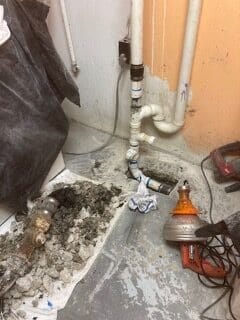
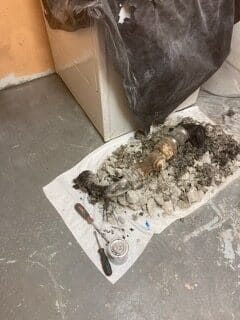
How B&L Diagnoses a Recurring Main-Line Problem
Video Line Inspection
Once the line is open enough for a camera to travel, a video inspection can document roots, cracks, offsets, corrosion, standing water and other visible conditions. The camera helps locate a defect and plan the next step; it does not clear a fully blocked pipe by itself.
Professional Drain and Sewer Cleaning
B&L selects equipment based on the access, pipe and obstruction. Mechanical cleaning may cut through roots or debris. Hydro-jetting can remove buildup from suitable lines, but the pipe’s condition and access must be evaluated first.
Sewer Line Repair and Replacement
If inspection reveals a broken, collapsed or badly displaced section, cleaning alone will not solve the problem. B&L performs spot repairs and sewer-line replacement and has an in-house excavation crew when digging is required.
Trenchless Sewer-Line Options
Some damaged lines can be repaired or replaced with less surface excavation through trenchless methods or pipe bursting. Suitability depends on the existing line, access, layout and failure—not every sewer is a candidate.
Main Drain Backed Up?
B&L Plumbing Service provides drain cleaning, sewer-camera inspection and sewer-line repair throughout the Kansas City metro.
Frequently Asked Questions About Main Line Snakes
Can I snake my main sewer line myself?
Only if you have an accessible cleanout, the correct machine for the pipe and the ability to follow that machine’s operator manual. Powered drain cables can twist, kink and whip. Stop if the cable binds, sewage cannot be contained or you are unsure of the setup.
What size snake do I need for a main line?
The pipe diameter, run length, fittings and machine manufacturer determine the cable and cutter. A 3- or 4-inch building drain usually requires a larger drain-cleaning machine rather than a small handheld snake. Have the rental provider match the equipment to the line.
Where is my main line cleanout?
Look for a capped pipe outside near the foundation or along the route toward the public sewer, or in a basement or crawlspace near where the building drain exits. Some properties have more than one cleanout, and some older systems have none.
Can you snake a line leading to a septic tank?
A house sewer leading to a septic tank can sometimes be cleaned through an appropriate access point, but first confirm that the tank is not full and identify the tank and baffle locations. Sending a cable too far can damage components or become trapped.
How often should a main drain line be cleaned?
There is no universal schedule. Many sound sewer lines do not need routine cleaning. Recurring stoppages, known root intrusion or documented buildup may justify planned maintenance based on a plumber’s inspection.
Why does my main line keep clogging after it is snaked?
A cable may restore flow without correcting roots, scale, an offset joint, a low section or a broken pipe. If the clog returns, a video inspection after the line is open can identify the cause and help determine the right repair.

